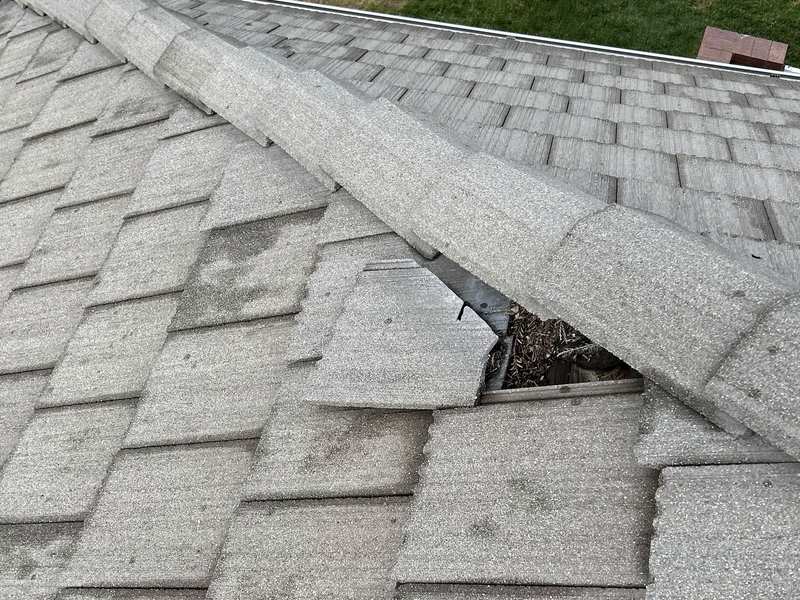
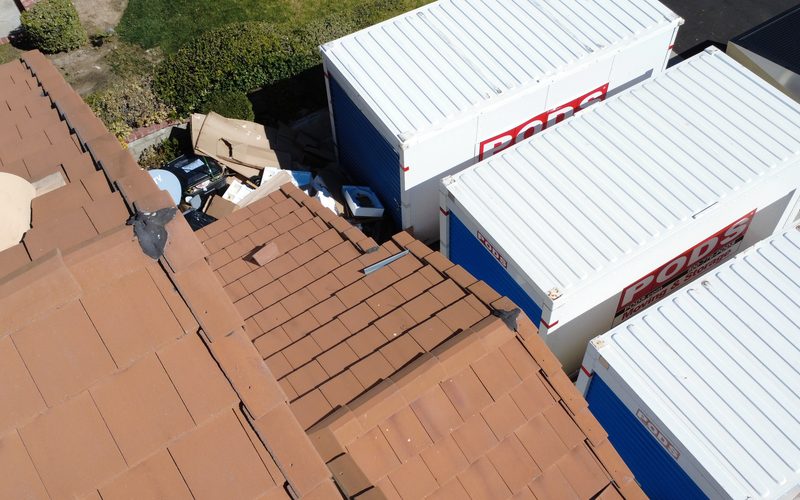
Irwindale has a small stock of homes, and we roof houses and commercial buildings here. A house and a warehouse require different setup, even on the same street. So we check access and staging before we price either project.
Most calls here begin with a leak, a worn covering, or a flat roof that holds water. We repair, replace, and install roofing on houses and commercial buildings. Ask us about any of it by phone or through the form on this page.
On this page
What we do on Irwindale roofs
We repair leaks, replace worn roofs, and install new roofs on houses and commercial buildings. We relay tile over new underlayment, and we build low-slope systems on the flat sections. Commercial projects get the same written scope as a house does.
We also do documented roof inspections when a sale or an insurer requires one. That report is separate from an estimate, and we charge for it.
Every one of those projects runs through the same estimate. We measure the roof, document the work, and attach a price, and then you decide from there.
Staging is the part people forget on a commercial building. Gates, drop space, and where the bin goes all change how long a project takes. We arrange that with you before we arrive.
Leak repair is the call we take most often
Leaks bring in more calls here than any other roofing project. The wet spot on your ceiling is usually not directly below the opening that let the water in. Water travels along the decking first and drops wherever the framing allows it.
Most of these calls begin with a stain, a drip, or a wet patch after heavy rain. Tell us where you see the water and about when it began, because that narrows our search.
So we follow the path backward to the point where water enters. Flashing is the metal that seals a roof to walls, chimneys, and valleys. Those joints fail long before the open field of a roof does.
Cracked pipe boots leak around plumbing vents, and they often fail while the rest of the roof holds. We take smaller projects, and one damaged boot is usually a simple roof repair.
We show you the failure before we close it up, so you can see exactly what you bought.
When a replacement beats another repair
A repair works well while the failure stays in one spot on the roof. Once several planes leak across different storms, you end up paying for patch after patch on the same roof. That is when we price a full replacement instead.
Rot in the decking usually settles the question. Soft boards are the most common reason a price changes once we open the roof.
We strip to the deck instead of installing new material over the old covering. That is the only way to check the condition of the deck.
An overlay hides the rot we need to find. It also adds weight and makes the next tear-off more expensive.
Asphalt shingle roofs
Asphalt shingle is the covering we replace most often on houses across the San Gabriel Valley. It suits the pitched roofs on most homes here, and it installs quickly. Shingles open up at the flashing first, and they release granules as they age.
When granules wash into your gutters, the shingle underneath is losing its protection.
We remove the old covering, replace failed sheathing, and install new underlayment. Then the shingles go on, with new flashing at every transition, and ridge and hip details finish the project.
If you want to weigh timing before you spend, read our asphalt shingle roof lifespan guide. It explains what to check instead of trusting a single number of years.
Tile roofs and the lift and relay
On a tile roof, the tile normally outlives the underlayment beneath it. When that sheet gives out, the tile above it is often still good enough to reuse. So we lift the tile in sections and stack it on site.
We remove the failed underlayment, check the sheathing, and replace any lumber that has rotted.
Then we install new underlayment and reset your original tile on top.
A relay saves the tile you already have and replaces the failed layer underneath. That is the whole purpose of the project.
Some tile breaks during any lift, so we build that into the estimate. It does not appear later as a surprise.
We install new roofs where the plans already exist, on new builds and on additions. That work follows the replacement sequence without the tear-off at the start. Decking, underlayment, flashing, and the finish covering all go on in that order.
The roof we build matches what the plans require.
Additions place new roof planes against existing walls, and those joints require real flashing. We flash the transition instead of sealing over it.
Our roof installation page covers the complete sequence and the plan review behind it.
Flat and low-slope roofs
A flat roof does not shed water the way a pitched roof does, so it holds it. That shape calls for a welded membrane instead of overlapping courses of shingles. Torch-down modified bitumen remains our default low-slope system on Irwindale buildings.
It is the system we install most often on the flat sections here.
Our preferred cap sheet is Polyglass Polyfresko G, a granulated modified bitumen sheet that we apply with heat. Solar Reflectance Index measures how much sunlight a surface reflects away. This sheet rates 96 when new and 82 after weathering.
Parapet walls are the short walls that rise around the perimeter of a flat roof. Water pools where the membrane turns and meets them. So we rebuild that corner properly instead of coating over it.
Roof to wall joints and drains cause most of the remaining low-slope leaks. Our flat roofing page describes the entire system.
Standing water penetrates seams, fasteners, and drain edges, so we scope the drainage before the membrane.
Call (626) 323-8814 or send the contact form, and we will review the options for your building.
TPO on commercial buildings
TPO comes up by name on commercial low-slope work, and we install it. TPO is a single ply membrane, and we weld its seams together with heat. It works well on some buildings here, and we recommend it when the building suits it.
On others we make the case for modified bitumen instead. Repairs on a torch-down system are usually simpler and less expensive.
Standing seam metal joins its panels together with raised seams and concealed fasteners. We install those panels on Irwindale buildings whose slope and framing suit that kind of system. Slope, structure, and budget determine that, and we explain why in the written scope.
Metal suits some Irwindale buildings better than others. We install metal roofing where those three factors align. We also give the manufacturer's warranty terms for the exact panel we quote.
Free estimates and paid roof inspections
An estimate puts a price on the roofing work we would do for you. It costs nothing, it carries no obligation, and it ends with a written scope. An estimate answers what the work costs, and a roof inspection answers what condition the roof is in today.
Escrow files and insurers are the usual reasons to order one.
We charge for that inspection. The fee varies with roof size and the number of stories, so ask us before you order one. Tell us in advance which one you need, and we will arrange it.
Permits in Irwindale
A roofing permit here comes from the city, and we help you get one if your project requires it. Irwindale accepts permit and plan submittals through its Building and Safety division, which handles the building codes and inspections. The city's permits page says to verify your own project needs with that division.
The city's current roof replacement FAQ says that replacing a roof requires a building permit. Check your own project with Building and Safety before the work begins.
Cities and counties can file their own amendments to that code. Those filings appear in the commission's 2025 ordinance register. So the requirement on your street can differ from the city next door.
We roof houses and commercial buildings in Census ZIP Code Tabulation Areas 91006, 91010, 91016, and 91702. We take the same work in 91706, 91722, 91732, and 91790.
Give us the address, and we will go from there.
Fire zone rules and Class A roofs
California keeps its wildfire roofing rules in a separate wildland-urban interface code. Those rules took effect at the beginning of 2026, and they apply only to mapped property. They reach parcels inside mapped High and Very High Fire Hazard Severity Zones.
Inside one of those zones, replacing the covering triggers the new construction requirement. Replacing half or more of a roof within twelve months does the same. Outside those areas, Class C remains the state minimum.
Class A is a fire rating that a whole roof assembly earns, and no single product carries it alone. Labs test the assembly under ASTM E108 or UL 790. We name the tested assembly in your written scope.
What drives your price
We measure your roof before we price it, on every project we quote. Roof area comes first, and we count it in squares of a hundred square feet. After area, the price follows the condition of the roof, the access around it, and the material you require.
A steeper roof takes longer to work on, and that time appears in the labor. Stories change the access, so they affect the number too.
Layer count matters, since every layer adds tear-off labor and disposal weight. Nobody knows the condition of the decking until the covering comes off. Tile adds handling that a shingle project never involves, because the tile comes off and then returns.
Fire zone mapping can require a different assembly and change the material list. Access matters on the larger buildings, because gates, drop space, and staging all consume time.
We document all of that in writing before any work begins, and your written scope carries the number.
What our written estimate includes
Our estimate names the work, the materials, and the roof area that we measured. It explains how we handle decking that turns out rotted once the covering is off. It names the permit help, the debris hauling, and the final cleanup.
Read that scope beside your own roof, and every line should match something on the building. You keep that written scope, and we work to it.
The warranty on a full replacement
We give a ten-year workmanship warranty on every full roof replacement, and we put the terms in writing. A workmanship warranty covers how we installed the roof, not how the materials perform. Coverage on the materials comes from the manufacturer and follows the product you choose.
We name both terms in writing beside the price. Ask us for both sets of terms when we deliver the written scope.
What happens on the job
We protect the ground and set up access before anything comes off the roof. Then we strip the covering in sections instead of opening the entire roof at once. That keeps the exposed area small if the weather turns on us mid-project.
Only the section we are working on is ever open. That matters most on a building that cannot close while we work.
We check the sheathing as it appears and note anything rotted. We show you the damaged boards before we replace them.
New underlayment goes down first, then the flashing, then the finish covering. Every transition gets real flashing rather than a bead of sealant.
Cleanup is part of the project, so we remove the nails, sweep the ground, and haul the debris away.
Rain season and your roof
Southern California packs most of its rain into a short stretch of winter weeks. A small fault can hide on your roof through the dry months. The first heavy rain is usually what turns it into a stain on your ceiling.
We check roof edges, valleys, and low-slope drains carefully before the storms arrive.
How old Irwindale roofs usually are
Irwindale has a small housing stock, and nearly all of it is detached single-family houses. It also runs newer than the cities next door; that profile shapes what we ask you first. A roof from the late 1980s raises different questions than one from the 1950s.
So we begin with the covering and its age.
Get your free Irwindale roof estimate
Tell us the building, what the roof is doing, and the property address. Call (626) 323-8814, or send the contact form with a short description. We scope the roof, explain what drives the number, and give you the estimate free.
We document the scope and the price in writing before you decide anything.
Irwindale lies in Los Angeles County, inside the Los Angeles-Long Beach-Anaheim metropolitan area. We also roof nearby Baldwin Park, Arcadia, and South Monrovia Island.
A warehouse roof and a house roof need different staging, access, and materials. A commercial roof is usually a low-slope membrane, while most houses carry a pitched covering over a wood deck. Tell us which one you have, and the answers below will land closer to your building.
What is the average cost of replacing a roof in California?
A California average will not describe a house and a warehouse at the same time. We price from your measured roof area, its access, and the system the building needs. The estimate is free and it ends with a written scope.
How to tell if a roofer is lying?
Ask the contractor to show you the failure on the roof before quoting a replacement. Ask what the written scope covers, including decking, permits, and cleanup. A scope that matches what you can point to on the building is the useful test.
What is the cheapest time of year to get a new roof?
Roofing demand climbs from about October and stays heavy through the winter storm season. Late spring and summer run quieter for scheduling a tear-off or a relay. We price a roof from measurement and condition, whichever month you reach us.